Student Nurse Retro SVG for Crafts & Graphics
As a graphic designer who has spent over a decade refining brand identities and preparing files for print-on-demand production, I approach every new graphic design asset with a critical eye. It is not enough for an illustration to simply look cute; it must perform under the rigorous demands of commercial use. Recently, I evaluated the Student Nurse Retro Sublimation SVG for a potential client project involving a line of handmade nursing appreciation gifts. The goal was to determine if this specific Retro Style Medical Career Sublimation SVG could hold its own in a crowded creative marketplace while maintaining professional standards for small business branding.
First Impressions: Nostalgia Meets Professionalism
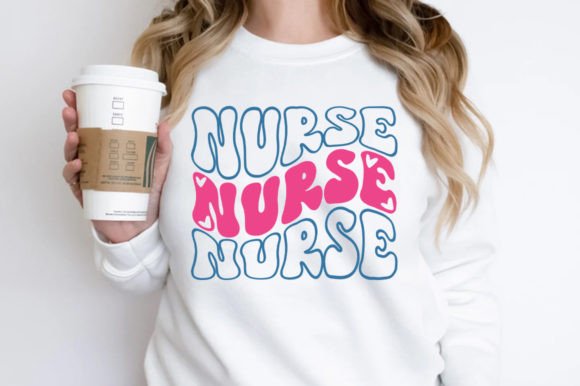
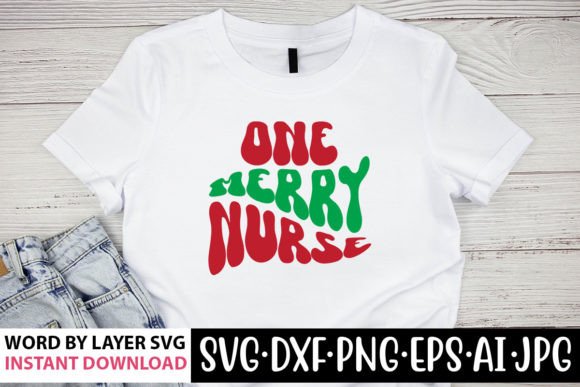
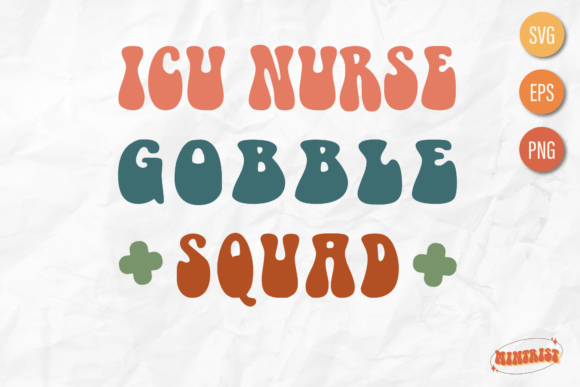
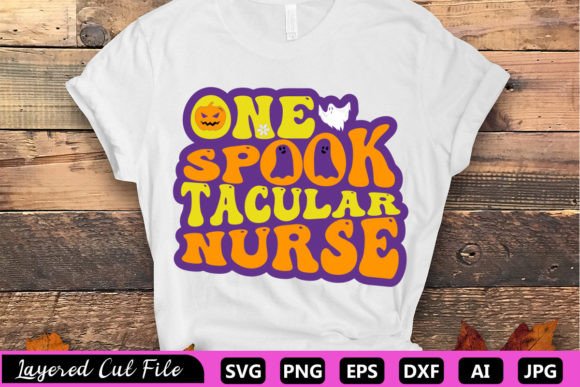
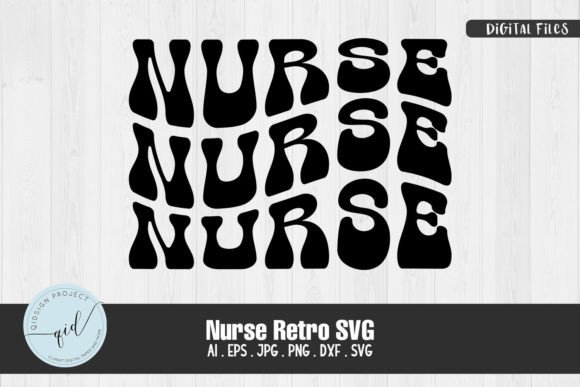
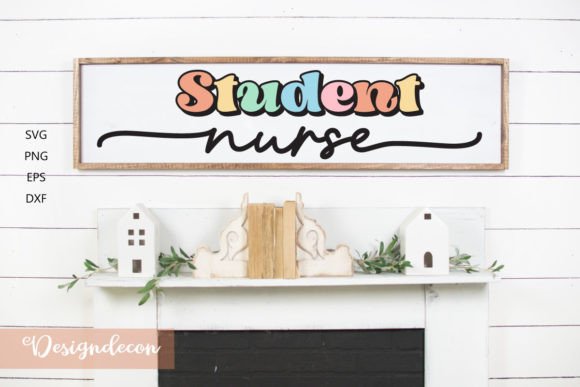
The immediate visual impact of this SVG design is rooted in a warm, nostalgic aesthetic. The retro typography paired with classic medical iconography creates a mood that is both approachable and respectful. For designers working in the Crafts sector, particularly those targeting the healthcare demographic, this balance is crucial. The design does not feel childish; instead, it evokes the vintage charm of mid-century medical posters. This makes it an ideal candidate for projects that require an emotional connection, such as graduation gifts for nursing students or appreciation items for clinical staff.
When reviewing the file structure, the inclusion of multiple formats—EPS, DXF, SVG, PDF, and PNG at 300 dpi—is a significant advantage. Having a 100% vector file ensures that the lines remain crisp whether scaled down for a sticker or enlarged for a tote bag. The transparency in the PNG files is clean, which saves considerable time when compositing images for social media graphics or product mockups.
Performance in Real-World Design Scenarios
In practical application, I tested this asset across several common use cases for my clients. For t-shirt design, the vector scalability allowed me to adjust the stroke weight slightly to ensure durability during screen printing. The design held up well on both light and dark fabrics, provided the color contrast was managed correctly. For Cricut projects, the DXF format performed flawlessly. The paths were closed and clean, meaning no excessive weeding or manual node editing was required. This efficiency is vital for handmade business owners who need to streamline their production workflow.
I also integrated the illustration into a Canva template for a digital invitation suite. Because the elements are easy to recolor, I was able to match the palette to a specific hospital’s branding guidelines without losing the integrity of the retro style. This flexibility makes it a versatile digital product for designers who offer customizable templates. Furthermore, when used in packaging design for a set of nurse-themed mugs, the illustration served as a strong focal point. It anchored the layout, allowing secondary text elements to support the main message without creating visual clutter.
Strategic Placement and Visual Hierarchy
Understanding where to place this illustration is key to maximizing its impact. It works best in large layout areas where the details of the retro style can be appreciated. As a hero graphic on a poster or a central element on a tote bag, it commands attention. However, designers must be cautious when using it in crowded layouts. Because the retro font style has distinct character shapes, it can lose readability if scaled down too small or placed against complex backgrounds.
For brand identity projects, this asset should be treated as a decorative accent rather than a primary logo. While it is charming, it lacks the unique distinctiveness required for a standalone corporate mark. Instead, use it to support marketing visuals for seasonal campaigns, such as National Nurses Week or graduation season. In these contexts, it enhances the thematic consistency of the campaign without overpowering the core brand message.
Technical Considerations for Designers
Before delivering any final files to a client, I always run a series of technical checks. First, I test the clipart in black and white. This reveals any potential issues with contrast and ensures the design remains recognizable even when printed in single-color ink. Next, I inspect the PNG design files for edge artifacts. High-resolution transparency is essential for professional-looking sublimation design work, and this asset passed the test with clean edges.
Typography pairing is another critical factor. The retro display font within the SVG has a specific personality. To maintain visual hierarchy, I recommend pairing it with a clean sans serif font for secondary information. Avoid using additional script or handwritten fonts nearby, as this can create a disjointed and amateurish appearance. The goal is to let the Student Nurse Retro Sublimation SVG shine as the primary visual element while supporting text remains neutral and legible.
Commercial Viability and Licensing
For print-on-demand sellers and Etsy product creators, understanding licensing is non-negotiable. This asset is designed for commercial use, which allows for its integration into physical products for sale. However, designers must ensure they are not reselling the digital file itself. The value lies in the finished product—whether it is a printed mug, a cut vinyl decal, or a sublimated shirt. By adhering to these guidelines, small business owners can protect their operations while leveraging high-quality design assets to elevate their offerings.
In conclusion, the Student Nurse Retro Sublimation SVG is a robust addition to any designer’s library. It bridges the gap between nostalgic appeal and modern production requirements. Its versatility across Graphics and Crafts applications makes it a reliable choice for a wide range of projects. By paying attention to scale, contrast, and typographic pairing, designers can transform this simple illustration into a powerful tool for client success. It is not just a file; it is a foundation for creating meaningful, commercially viable designs that resonate with audiences in the healthcare community.