Nurse Fuel: A Designer’s Take on the Can Glass Motif
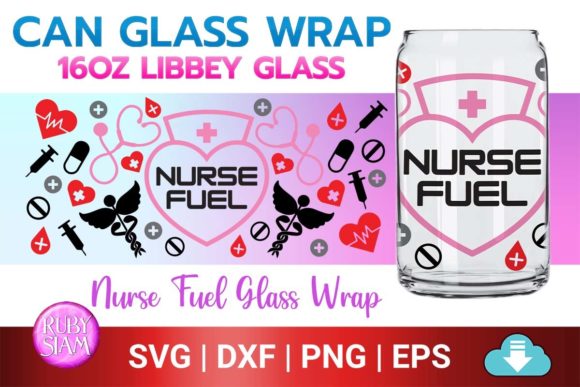
As someone who has spent years digitizing and reviewing embroidery assets, I have developed a keen eye for what translates well from screen to fabric. When I first encountered the Nursing Student, Nurse Fuel, Can Glass design, my initial reaction was one of cautious optimism. The concept is undeniably trendy. The "Nurse Fuel" trope—often depicted as coffee or, in this case, a beer can—is a staple in nursing humor. However, translating a graphic intended for a 16oz Libbey full-wrap glass into an embroidery file requires a specific kind of technical scrutiny. This is not just about aesthetics; it is about stitchability, durability, and final product value.
First Impressions: Mood and Visual Personality
The visual personality of this design leans heavily into casual, relatable humor. It appeals directly to nursing students and registered nurses who appreciate a bit of levity after a twelve-hour shift. From a design perspective, the layout typically features bold typography paired with the iconic silhouette of a beverage can. For an embroidery project, this combination presents both opportunities and challenges. The mood is playful and informal, which makes it an excellent candidate for lifestyle items rather than formal wear. It feels right at home on a weekend tote or a cozy hoodie, creating an immediate connection with the wearer’s identity.
When evaluating the Graphics provided in formats like SVG, DXF, and PNG, I look for clean lines and logical color separation. A high-quality vector ensures that when we convert these shapes into stitches, we are not fighting against pixelation or ambiguous edges. The "instant download" nature of these assets means we must be diligent in our pre-production checks, as there is no physical sample to inspect beforehand.
Real-World Application: The Custom Sweatshirt Scenario
To truly test the viability of the Nursing Student, Nurse Fuel, Can Glass motif, I imagined a real-life scenario: a custom order for a group of nursing graduates. The client wanted matching sweatshirt embroidery for their pinning ceremony after-party. This is a common request in my craft business, and it demands a balance between professional presentation and fun.
In this context, the design performs well if managed correctly. Placing the can graphic on the left chest of a heavyweight cotton blend sweatshirt allows the fill stitch areas to sit flat without puckering. The bold lettering associated with "Nurse Fuel" provides excellent readability from a distance. However, I would advise against placing this specific design on the back of the garment unless the hoop size is substantial. Large, dense blocks of stitching on the back of a sweatshirt can feel stiff and uncomfortable against the skin, detracting from the wearable quality of the handmade product.
For an Etsy seller or small shop owner, this design also translates effectively to tote bag design. Canvas bags have a tight weave that supports higher stitch density well. The contrast between the colorful thread and the natural canvas creates a striking visual appeal that photographs beautifully for printable mockup listings. It turns a simple utility item into a statement piece that resonates with the target demographic.
Technical Considerations and Fabric Compatibility
While the concept is strong, the execution requires careful attention to detail. One of the primary concerns with any design featuring a cylindrical object like a beer can is the handling of curves and highlights. In embroidery, we rely on satin stitch borders and directional fill stitches to create the illusion of roundness. If the original SVG has too many subtle gradient shifts, it may not translate well into thread. I recommend simplifying the color palette. Instead of trying to match every shadow in the digital graphic, choose three to four distinct thread colors that provide strong contrast.
Fabric choice is critical. This design is not suitable for thin, stretchy fabrics like lightweight jersey or silk. The weight of the stitches will cause the fabric to pucker and distort, ruining the crisp lines of the can and text. It performs best on stable materials such as denim, twill, heavy cotton, or fleece. If you are attempting this on a cap or curved surface, you must use a sturdy cut-away stabilizer to maintain the integrity of the shape. Without proper stabilization, the "Nurse Fuel" text may warp, making it difficult to read.
Additionally, consider the hoop size. If you are working with a standard 4x4 inch hoop, you may need to scale the design down significantly. This introduces the risk of losing detail in the smaller elements, such as the tab on the can or the finer serifs in the font. Always run a test stitch-out on scrap fabric of the same type you intend to use for the final product. This step is non-negotiable for maintaining professionalism in commercial embroidery.
Enhancing Product Value and Customer Trust
How does this design affect the perceived value of your finished product? When executed with precision, it elevates a basic garment into a personalized gift that feels thoughtful and specific. Nursing students often receive generic gifts; a well-stitched, humorous design shows that the giver understands their specific journey. This emotional connection drives buyer engagement and encourages repeat customers for small shop product lines.
However, sloppy stitching destroys trust. If the satin stitches are gappy or the registration is off, the item looks amateurish. To ensure brand consistency, always check your tension settings before starting a batch. For dark fabrics, consider using an underlay stitch that matches the garment color to prevent the white or light-colored threads from showing through gaps. This small technical adjustment significantly enhances the polished look of the embroidered patch or direct stitch.
Practical Notes for Designers and Makers
Before you list this as a new item in your store or use it for a client, keep these practical tips in mind:
- Check Licensing: Ensure the license for the digital embroidery file allows for commercial use if you plan to sell finished items. Most instant downloads have specific terms regarding mass production versus handmade sales.
- Test Contrast: View your design in black and white. If the details disappear, you need to adjust your thread choices or simplify the design elements.
- Inspect Small Details: Zoom in on the SVG. Are there tiny, isolated elements that might cause thread breaks or bird's nests? Remove or merge these before digitizing.
- Consider Washability: Items like kitchen towels or aprons undergo frequent washing. Use polyester thread for better colorfastness and durability compared to rayon.
- Mockup Variety: Create design assets that show the embroidery on different backgrounds. Show it on a navy hoodie, a beige tote, and a white cap to help customers visualize the versatility.
In conclusion, the Nursing Student, Nurse Fuel, Can Glass design is a potent asset for the right projects. It captures a specific cultural moment within the nursing community and offers a fun, engaging aesthetic. By respecting the technical limitations of embroidery machines and choosing appropriate fabrics, you can transform this digital graphic into a high-quality, tangible product that customers will love. It is a reminder that in our craft, success lies not just in the image we see on the screen, but in the care we take with every stitch.